Chapter 1: The Noise

We all die.
That’s the one truth nobody escapes.
But how we die — now that’s a different story. And maybe, just maybe, we have more say in that than we think.
All my life, I’ve had death on my mind. Not as some romantic fascination — I’m far too practical for that. But as a constant. A presence. A possibility.
My own death.
Muerte. Death. Dede, Gone. Vanished. Capiche? ✨
And why?
Because the noise was unbearable.
The voices in my head — endless, nameless, shameless — talking over each other, fighting for attention, never letting me rest.
I didn’t know what I was.
Who I was.
Where the pain stopped and I began.
My emotions — raw, wild, always turned up to eleven — the blessing and curse of being HSP.
And then there was the blabbermouth, the nonstop chatter of my ADHD, spinning every thought into another tangent, another spiral.
It wasn’t death I longed for.
It was silence.
It was stillness.
It was rest.
Muerte.
Because I was so tired of being at war with my own mind.
Chapter 2: The Edge
And the “how” of it? Let’s not pretend I haven’t thought it through. Do I cut my wrists? Step into a warm bath filled with one chemical cocktail or another — pills — yes, you heard me right. ✨ Throw myself into a fast-flowing river? Jump off a building? A few years ago, on a cruise (a gift, no less), I stood on the deck and… well, you get the idea. ✨ Do I pull the trigger? You see the picture, don’t you? 😂
Maybe right now you’re thinking:
This guy is nuts. 🤔
Cuckoo. Crazy. Disturbed.
Where’s the doctor, the shrink, the therapist? Fast! 🤓
Well — maybe I am.
Maybe I’m not.
Maybe it’s you who’s crazy.
Who knows?
Chapter 3: Wiring and Worth
People say I take life too seriously. They think it’s a choice — like I could just laugh it off, lighten up, let things slide.
But I take my life — as complicated, chaotic, or crazy as it may seem — seriously because nobody else does.
When I see someone losing it in the streets,
or read about someone doing something wild in the news,
I don’t think, “Wow, they’re crazy.”
I think:
That could have been me.
Like that man I saw once in The Hague —
coat too big, shoes falling apart,
pacing back and forth in front of the Albert Heijn,
muttering full-blown conversations with someone only he could see.
One second he was laughing,
the next he was shouting at the air,
pointing fingers, waving his arms like he was in court
arguing with a ghost.
People walked around him,
tightening their scarves,
pretending not to hear.
But I heard him.
And I saw him.
And a part of me knew —
in a different life,
on a different day,
that could’ve been me.
Not because I’m better. But because I’m wired differently.
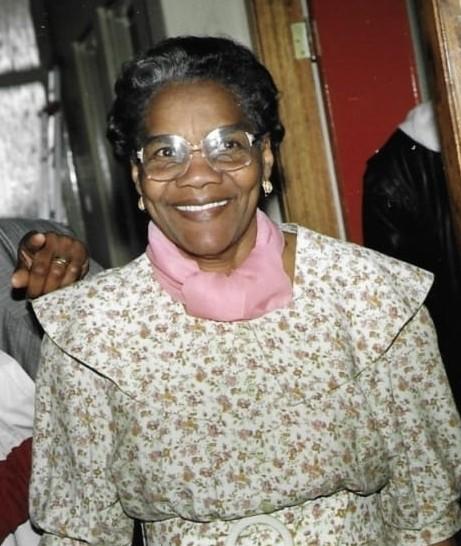
And my mother
Wielrenne Thérèse Schotsborg – Roosenhoff
21-04-1920 – 15-07-1993
who never told me God would solve my problems — trust me, she was deeply, deeply religious. But her God wasn’t a magician. Her God was a giver of tools.
My circumstances? Just that — mine. And maybe that made all the difference.
She told me: “God gave you the right wiring to look for your own answers.”
That changed everything. She made me take myself seriously — not just my soul, but my pain, my patterns, my madness.
Yes, I’ve had episodes. Moments I couldn’t trust my own thoughts. But let me tell you something: most people aren’t cuckoo all the time.
And in those moments of clarity — even with the voices screaming in my head, even when everything felt impossible — I searched.
For truth.
For answers.
For possibilities.
Don’t ask me how. I don’t know.
I’m still searching. Still reflecting. Still rebuilding this strange cathedral of selfhood, one brick of honesty at a time.
😂😭😍🤓🙄
Ala Sani na bung sani ❤️
(“Because I am who I am.”)
Everything is the way it’s supposed to be — words I live by.
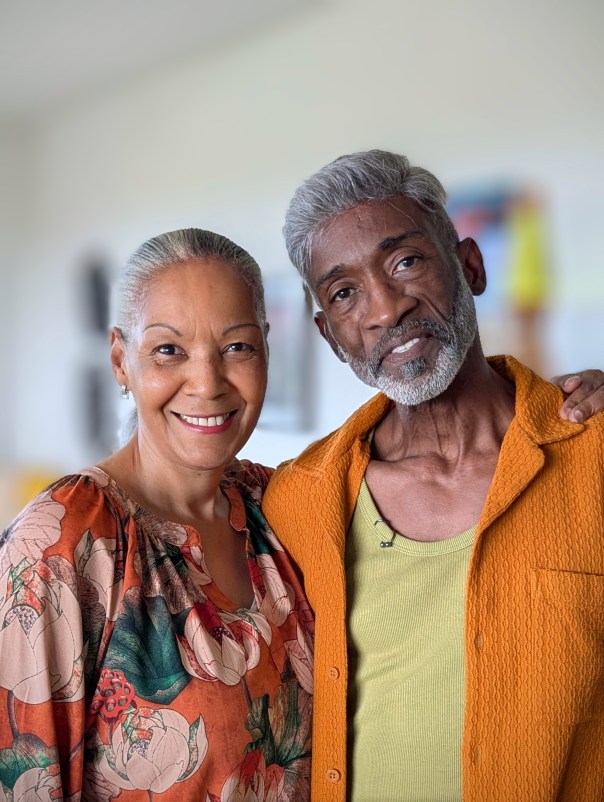
My beautiful Creole Queen and muse Marlene, one of the women who — like my mother — played a vital role in my life, would remind me of this over and over again. I’d heard her before. But now… now I can feel why.
Chapter 4: Diagnosis and the System
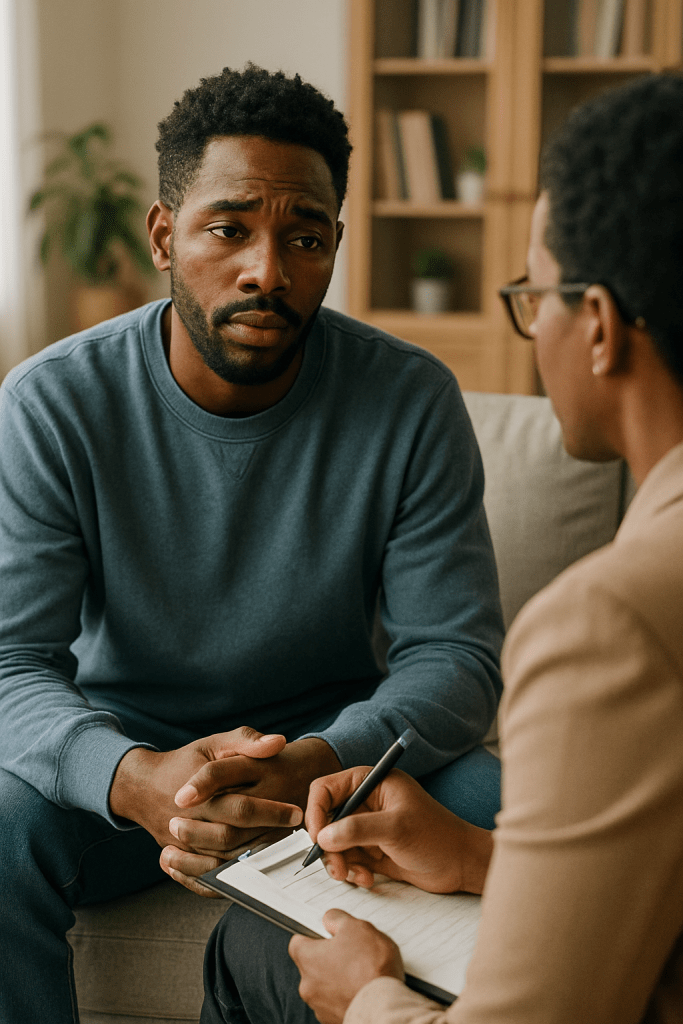
The year I turned sixty, I got my diagnosis. ADHD. HSP. Both. A mind like a tornado, a heart like an open wound.
And yeah, you’d think — therapy, meds, some clarity, a little peace — that would be enough, right?
But no.
Because medicine alone doesn’t heal. It helps, sure. But healing — real healing — is ugly work. Lonely. Exhausting. Brutal.
At the clinic where I thought I’d finally be safe,
I cried.
I cried a lot.
Session after session, I couldn’t hold it in.
The pain, the years, the silence — it all came pouring out.
And then one day, my psychologist looked me in the eye —
not cruelly, but with that tired, worn-out tone
people sometimes use when they think they’ve heard it all —
and said,
“Man, stop crying.”
Like she’d had enough.
Like my tears — from a man my age —
were no longer something to hold space for,
just something to get past.
I wanted to slap her. Right there. Because here I was, thinking I had found sanctuary. And all they wanted to do was medicate me and move me along.
“How?”
“How the fuck do you expect me to move along?”
But yeah, babes — that’s the system. Take your pills. Tidy up your trauma. Don’t make too much noise. Move on.
That moment changed me.
Chapter 5: The Search
It’s why I value taking myself seriously. Because no matter where you are in the world, no matter how loud you scream, help only lasts so long.
You can blame the system. You can lose hope. Lose everything.
And trust me, I’ve been there.
I’ve cried until my ribs ached. I’ve raged at God. I’ve wanted to die more times than I can count. Not because I didn’t want to live, but because the weight of living felt unbearable.
But still — I kept searching.
That’s when the meds started to really show their potential. Not as a cure — but as a window. A brief moment of quiet in my mind. A clearing.
I saw the shape of my ADHD. And for the first time, I didn’t see a curse. I saw a superpower — if I could just learn how to wield it.
So I studied. Like a madman, I studied.
YouTube videos. TED Talks. Forums. Articles. Interviews. I devoured everything I could.
But careful now. Don’t turn me into your TED Talk story of the week. 🙄 I’m not here for the soundbites. Still — thank you, TED, for the knowledge. Collaboration and sharing have been key in my healing process.
✨ Let’s pause here for a moment. ✨
It took years of self-study. Years.
Before I could start to heal, I had to face a few things. Hard things. Things that cracked me open. 😭😭😭😭
I had to own my shit. I had to fuck up — often. I had to forgive — myself and others — every damn day.
I hated that part. 😅😢 But if I am the sum of the knowledge I hold today, then I had to allow myself a fresh start. Every. Single. Day.
And I talked to people. So many people. But they had their own lives. Their own pain. Don’t blame them.
Just don’t forget this:
Take. Yourself. Seriously.
Say it again.
Louder.
Take yourself seriously.
Chapter 6: COVID Silence
Then came COVID.
And the world went quiet.
And for me, it was a gift.
A portal.

I turned inward. With vengeance. With fire. With grief.
I left the man I loved to go to my country of birth , Suriname. The man who stood by me. The one who encouraged me to get tested.
It wasn’t a COVID test — it was my ADHD and HSP test.
Imagine this: I had studied psychology at the University of Leiden years ago. I had a partner for seven and a half years who had been diagnosed with ADHD and HSP — who handed me books to read, who saw and felt my struggle but couldn’t quite find the words of encouragement. He invited me to go into therapy with him. But still — I couldn’t let go. You see the crazy in this?
Now, my present partner — the man who encouraged me to get tested — a researcher at heart, a writer, a man with a complicated history of his own, a familiar soul plagued by his own demons. A man who also wanted to be there for me.
He did so because I always joked about my ADHD. Because I was so hyperactive. One day, he asked — almost offhandedly — “Scott, have you ever been tested?”
It hit me like a hammer.
Because I had promised myself that with him — this time — I would do it differently. I wouldn’t flee again. I wouldn’t sabotage what could be good, not for the wrong reasons.
So yeah, this time, I didn’t hesitate. I picked up the phone and made an appointment to have myself checked out by a psychiatrist.
I see it as a gift. A present to myself for my sixtieth birthday. A moment of true change. A moment — with long-term consequences.
He loved me. But he hadn’t signed up for this.
When the diagnosis came, the floodgates opened. I couldn’t close them.
And if I had, I wouldn’t be here.
Because I had been carrying this truth for sixty years. And it was too goddamn heavy.
Chapter 7: The Body and the Mask
We’ll do anything to feel good again.
I tried weed for most of my life. On and off.
Used right, it can be magic.
And for someone like me?
It was magic — in parts.
It helped me sleep when the voices got too loud.
It heightened my sexual desire, made touch feel sacred again.
Music? Oh, don’t get me started —
every note became a liquid ribbon sliding down my spine.
Food tasted richer.
I wanted to eat — which was rare,
because without it, I was hard on myself.
Rigid.
Disciplined to a fault.
A health freak in the most punishing way.
Weed softened me.
It quieted the noise — sometimes just enough to let me drift off.
And I needed that.
I needed rest.
But the price?
It dulled my creativity.
Dimmed my flame.
It made me more tolerable to others, sure —
but less recognizable to myself.
The brightness, the rawness that made me me?
That went quiet.
And still, I stayed on it for years.
Because the alternative —
the raw, exposed, unbearable me —
felt like too much.
And I refused to spiral.
MDMA softened me.
Opened me.
Let me feel.
I’m talking about ecstasy — literally. The drug.
That little pill with the big promise: connection, euphoria, light.
It didn’t numb me like weed did.
No — MDMA amplified what was already there.
It turned the dimmer switch on my emotions all the way up
and said,
“Look, look what you’ve buried.”
It quieted the critic in my mind
and turned up the volume on my heart.
Walls I didn’t even know I’d built started to fall.
I could touch joy.
I could feel desire again
— and not just give it,
but receive it.
For a man like me, living with HIV,
that mattered.
I had locked down so much out of fear —
fear of hurting someone, fear of being unwanted.
So I gave. Always gave.
But MDMA?
It cracked me open.
Made me feel safe enough to be touched.
To be vulnerable.
To be fully alive.
Not every time, no —
but those times it worked,
it worked wonders.
The gym saved me too.

But let’s rewind.
Before the weights, it was dance. Always dance.
I did ballet from an early age —
grace before grit.
And work? Well, I was a hairdresser, remember?
Not just any hairdresser —
an electric, always-in-motion, ass-shaking, laughing-while-snipping kind of hairdresser.
I danced behind the chair. Couldn’t stand still.
God, I was hyper. Hahaha. Still am.
But when I stepped into the gym in my early thirties —
something shifted.
Lifting weights changed the story I told myself about my body.
Before that, I was slim.
Beautiful, yes — but insecure.
It fed into that gnawing voice that said I wasn’t enough.
And back then, I had another reason to build strength:
I was HIV positive — and I had made a choice.
I didn’t want to take the early medications.
Too many people I loved were dying from the drugs,
not just the virus.
So I waited.
For over fifteen years, I refused treatment.
I did the research.
I studied.
And I trained.
I trained like my life depended on it — because it did.
I lifted weights.
I ate like a monk.
I gave my body a fighting chance,
because I didn’t want to be a victim.
I wanted to be ready.

And the side effect?
Vanity.
Let’s not lie — as my body changed,
I liked what I saw.
Others did too — regardless of gender.
And that attention,
that recognition?
It gave me back something I’d been missing:
Self-assurance.
Pride.
Presence.
People looked and said, “How can anything be wrong with you?”
Idiots. Everyone has a story.
But let me tell you something else — the drugs, the training, even the moments of bliss — they helped, but they didn’t heal me. Not on their own.
What truly gave me breath — air — was speaking.
Being heard by someone who really listened.
The problem is — that kind of listener is hard to find. And not everyone has the capacity.
Many of us, myself included, went from relationship to relationship hoping our partners would be the answer, the healer, the fix. But they didn’t sign up for that. They couldn’t hold what we hadn’t even named ourselves.
I’ve seen it too many times: people kicked to the curb, not because they weren’t loved, but because they turned their partners into therapists.
And you know what?
I made that mistake too —
but from the other side.
I thought I was the psychologist.
The healer.
The fixer.
In every relationship, I played the mirror.
I could so quickly see the beauty in someone —
but also the cracks,
the trauma,
the ache they didn’t yet have words for.
Not as a weapon.
Never that.
But as a tool.
A doorway to growth.
A chance for us to rise — together.
I believed in mutual benefit.
In healing with someone.
In being the light that lit the path for both.
But here’s the truth:
That wasn’t intimacy.
That was a performance.
A deflection.
Because deep down, I didn’t believe I deserved healing
until I helped them first.
It was easier to give than to receive.
Easier to fix someone else than face my own wounds.
That’s why I have a saying —
one everyone who knows me remembers.
Everybody who is in front of me is my object of desire.
It means exactly what it says:
Whoever is right here, right now —
I give them my full focus.
My energy.
My attention.
My everything.
It sounds romantic, maybe even intense —
but it’s my truth.
Because it’s only when I pour myself fully into what’s in front of me
that I feel most alive.
Most connected.
Most human.
But even that —
even that beautiful way of loving —
wasn’t enough
if I kept forgetting to turn that gaze inward.
To make myself
the object of desire too.
Because I was taught to give. Always to give.
Receiving? That was foreign. That was hard. That felt… wrong.
But healing doesn’t work like that. It’s not earned by fixing others. It starts within.
We have to do the work.
And for that, you need the right therapist. Someone who listens. Someone who doesn’t silence your tears. Someone who sees your rage and says, “You’re safe here.”
And let’s be honest — finding one is hard. The ones the government provides often carry an unbearable caseload. They burn out. They brush off. They rush.
So yes — it’s work. Finding the right guide takes effort. But it’s effort worth every breath.
Because this is too heavy to carry alone.
But even if you don’t have the right therapist yet, you can still begin. One of the most powerful tools we have is our voice — our ability to express, to release, to reflect.
Journaling saved me. Writing forced me to be specific. It slowed my racing thoughts. It focused my scattered mind. And later, when I was diagnosed, I realized — this was my therapy all along. My natural way of calming the storm. My superpower in disguise.
And not just writing — voice recording, too. Sometimes when the thoughts came too fast, too raw, too electric to write down, I spoke them. Just hit record. In my own voice. In my own words. Capturing myself in a moment, in a mood, in truth. And when I listened back later, it helped me understand. It gave me perspective. It showed me where the pain lived and where the healing had already begun.
So if you’re searching —
search wide.
It doesn’t have to be big.
It doesn’t have to make sense to anyone but you.
Find something you can focus on.
Something that lights a fire in you.
Something that makes time melt.
For me, it was dance.
The rhythm. The sweat. The surrender.
It’s been gardening —
hands in soil, watching life unfold.
For others, woodwork —
cutting, shaping, sanding your way into silence.
Painting. Pottery. Long walks.
Even rearranging furniture until your space feels right.
Hell, it could be knitting, cooking, fixing old radios,
or just watching birds from your window.
It doesn’t matter what it is.
What matters is how it makes you feel.
If it gives you joy,
if it steadies your breath,
if it brings you back to yourself —
then hold onto it.
Let it hold your mind.
Let it ease your soul.
I promise you: It can help you find your way.
Chapter 8: The Trip
The biggest revelation came with LSD.
Yesssss — you heard that right.
Before the trip, I prepared myself — not just mentally, but physically and spiritually. I fasted, and that was no small thing. It grounded me. It quieted my body and sharpened my awareness. Abstinence gave me calm, and more than that — it felt like a kind of offering. Because if you want to receive something sacred, you have to give something too.
Fasting was my way of saying: I’m ready to listen.
And then I studied. Not casually. Not like I was scrolling for fun. I went deep — into research, testimonials, neuroscience, documentaries, sacred traditions. I read about the beauty and the risks, the breakthroughs and the breakdowns. I wanted to be prepared — for both the light and the shadow. Because again, and always: take yourself seriously.
I asked the universe.
Wrote my intentions.
Took a small dose with a friend. It was fine — but their energy wasn’t. Too much static in the room.
Next time, I did it alone.
That’s when it happened.
LSD stripped me bare.
No clutter. No masks. Just me.
But not just “me” in the abstract — I saw myself. And not like a distant memory or vague silhouette. I mean truly, intimately, vividly. Even with my eyes closed, I could see. And the difference between closed and open — it blurred, like silk folding into water. It was magic. Pure, soft-breathing magic.
I saw myself walking through a park, sunlight breaking through trees like liquid gold. I was speaking to clients, every word glowing with presence. I was dancing in a nightclub, my body loose and rhythmic, pulsing with joy. I was laughing in my home, bathed in love and light.
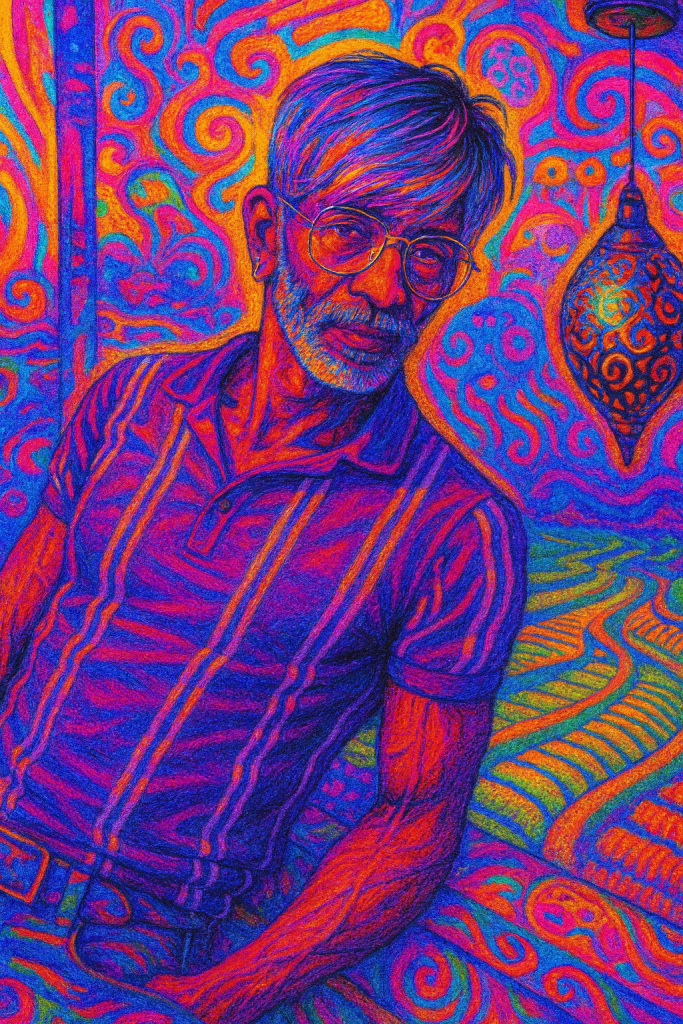
Everything was saturated in the most breathtaking, surreal colours: electric violets that shimmered like emotion itself, pulsing greens that vibrated with life, deep molten golds that wrapped around my spine like warmth, and blues — oh, the blues — that breathed, that seemed to hum in my bones like music I’d forgotten I knew.
And then the snakes came. Golden snakes — hundreds of them — slithering and swirling through the scene. And strangely… I wasn’t afraid. I, who have always flinched at the sight of them, felt calm. They weren’t menacing. They were magnificent. Later, I would wonder:
Were they transformation?
Power?
Wisdom?
Were they the parts of myself I’d always feared but needed to accept? Maybe. Maybe they were showing me that even the things that once terrified me had beauty in them, had meaning.
And then the keys. So many metal keys — floating in the air, glimmering, hanging in space like stars. I didn’t know what to make of it at the time. But now I wonder:
Was I trying to unlock something?
Were they the symbols of my endless search?
Keys to my history? My healing? My soul?
For the first time ever, there were no voices. No judgment. No chaos. Just being. Just watching. Just knowing.
I saw my life through pure light. I moved freely through scenes from my past and glimpses of my future — but all of it, completely unbiased by the madness. It was like meeting my soul without interference.
And the feeling that came with it? Fulfillment. Peace. Clarity. Because I could see — and feel — my purpose.
Why I’m here. Why I’ve survived. Why I matter.
We all know these things deep down — especially those of us who are sensitive. But we doubt ourselves. We feel like we’re not enough. Not worthy. Because we’re not “normal.” We’re different. And that difference has been used against us.
So we reach for crutches. Drugs. Alcohol. Distraction. Silence. Because something is missing. Connection. Reflection. Love. Truth.
But in that moment, under that trip, I saw the whole picture. And I wept. Not out of sorrow — but because it was the first time I fully saw myself.
That wasn’t healing. That was becoming. Acceptance. A glimpse that I might be okay.
And then — after the visions faded and the colours dissolved back into the quiet — I slept. Oh my God, I slept.
The kind of sleep that feels like being held. Deep, uninterrupted, dreamless peace. No crash, no comedown, no foggy residue like with other drugs. I woke up clear. Light. Fresh like the morning itself.
I made some breakfast. Got dressed. It was a sunny day.
I took a long walk — body moving, breath steady, heart open. And just as I crossed a street, a complete stranger — a woman — stopped me.
“Sir,” she said gently, “can I tell you something?”
I turned, a little surprised but smiling. “Of course you can,” I said.
She looked at me, softly and without hesitation: “You’re glowing. It’s like you’re bathing in light.”
I laughed — not out of disbelief but out of pure knowing.
“Thank you,” I said, nodding. And as I walked away, I thought: Oh my… what a feeling.
Chapter 9: Positivity Is Overrated
When it becomes a mask. A denial of pain. A refusal to look darkness in the face.
A positive mindset is necessary. But truth — truth is what heals. Even when it hurts. Especially when it hurts.
Still, let me be gentle here. Because no matter what insight you gain, no matter what light you carry — it’s the work that’s going to keep you sane. The dog-on work. The everyday showing up for yourself. The choosing again. And again. And again.
Train your body — however feels good to you. Walk, stretch, dance, lift, breathe. Move your pain and joy through your muscles. I don’t care how you do it, just exercise. Make your body a place you can live in.
Take yourself seriously — I can’t say that enough.
And then forgive yourself. Not because you’ve done something wrong, but because you’ve been human. Because when you are kind to yourself, when you give yourself peace of mind, only then do you have space in your heart to forgive others.
I’m not religious. But I was raised that way. And I’ll tell you this — I am a deeply spiritual person. I believe there is more. I believe there is mystery. But I also believe the key isn’t external — it’s inside us.
Still, I get it — most people need something bigger to lean on. That’s why every culture has gods. Plural or singular. Faith is a deep need, and I honor that.
So like my mother said — “Let your God be one that gives you tools and possibilities, not one who hands out restraining orders.”
If faith is your path, then let it guide you. But know — the answers? They live inside you.
Do the work. Even when it’s painful. Especially then.
Because like I’ve said before — nothing in life is black or white. Life is full of colours. Black and white are just two extremes.
You feel me? ✨
Chapter 10: Circle of Lives
Back to my death. ✨🙄🤔
When and how it happens — I haven’t made up my mind.
Until then, I’ll keep doing what brings me joy.
Like this:
Traveling.
Because traveling brings out the little boy in me — the one full of wonder, the one who still believes in magic. Airports make me giddy. Big cities scare me — and fill me with awe. Because I never know who I’m going to meet, what I’ll see, and most of all, what I’ll feel.

Travel reminds me again and again that my fears are just as sacred as my joys, and everything in between has its place. It ignites my lust to write. It connects me to something bigger.
That’s why I have to write. That’s why I’m so grateful for this rebirth — after years as a hairdresser, a teacher, a lover of life.
So understand this: when I speak or write about death, it’s not just about endings. It’s about beginnings. Constant rebirths.
I don’t know when I’m going to die — nobody does. But fearing death? That’s not how I want to live. I’ve chosen to make death a part of my life. Like a quiet companion. A reminder that every day is a doorway.
And so, I want to build this space — [circleoflives.com].
A round table. Virtual.
A place to share. To heal. To be.
With no judgment. No division. Man. Woman. Gay. Straight. Trans. Bi. Pan.
A sacred space to feel safe. To speak. To connect with others.
CLICK. ✨


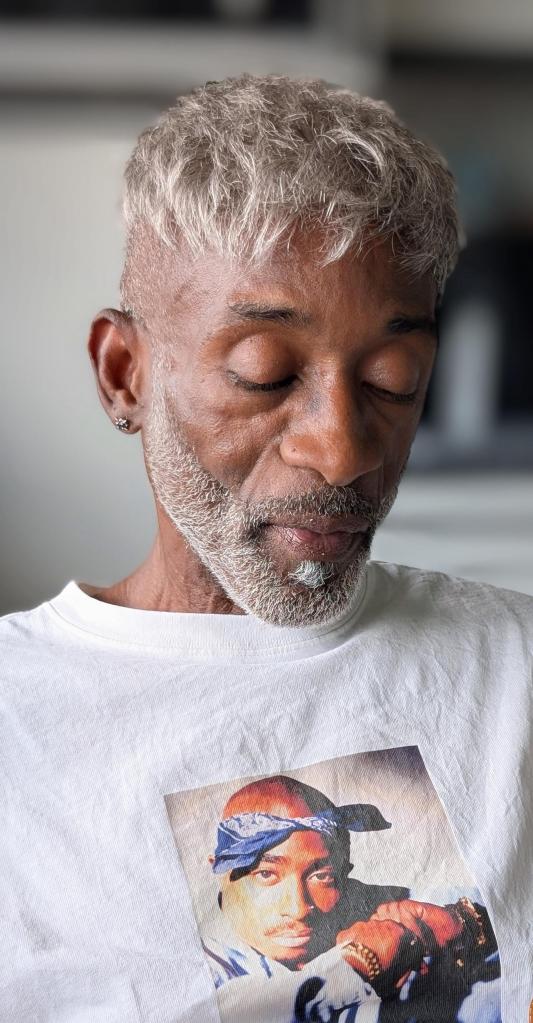







 Circle Of Life